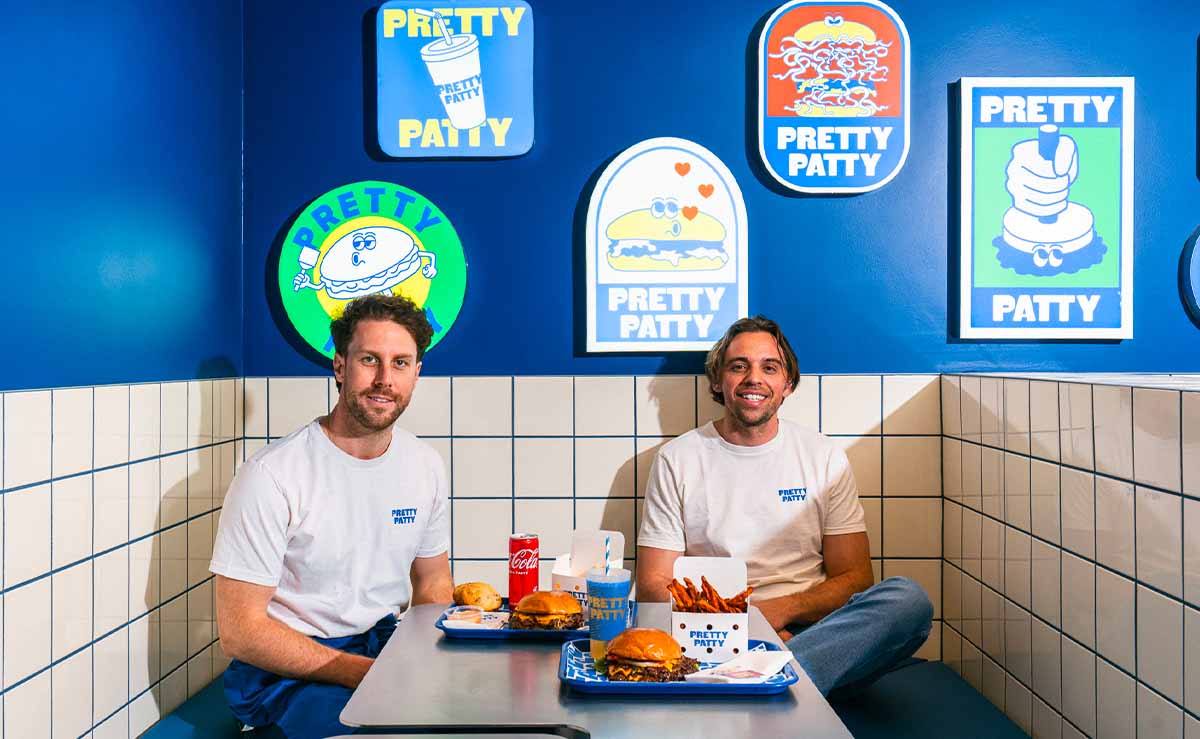
It all starts with a joke. A friend comes back from the United States and tells Adrian and Lucas, two EHL buddies who spend their evenings cooking for their friends, about Shake Shack. He explains that over there, they smash the meat, they mistreat it, and that makes them laugh. Then one evening, that friend makes them the burger in question, and the laughing stops. That's the click.
Then life takes over. Their parents bring the two friends back to reality, they need to work, and Adrian leaves for Bangkok for a year in hotel real estate. But every week he calls Lucas, and every week the conversation ends the same way, with a sentence they repeat to each other like an oath: "We have to launch this, seriously, we have to go for it."
What reassures them is Paris. They thought smash burgers might be too American for Europeans, then a Parisian restaurant goes for it and takes off. If it works in Paris, they tell themselves, it can work anywhere in Europe. And if we do it in Switzerland, we break the codes, because Switzerland is too sleepy.
A brand designed at the height of an eight-year-old
Adrian is very clear about the order of things. The first phase is the product, because their number one passion is still cooking and they were practising like crazy at home. But as soon as they quit their respective jobs, the switch is total: "Once we quit our jobs, it was 100% the brand."
He moves in with Lucas to spend as much time together as possible, and that time is spent debating the packaging, the feel of the paper, the smell of the wipes. He says it himself, they went very, very far, maybe too far. But that's where the brand took shape.
The starting point is a memory they both share, birthday parties at McDonald's when they were kids. They wanted to bring that strong emotion back to the new generation, but with quality ingredients, traceable and Swiss. And every decision went through the same question: "If I walk into a Pretty Patty at eight years old, what would I feel?"
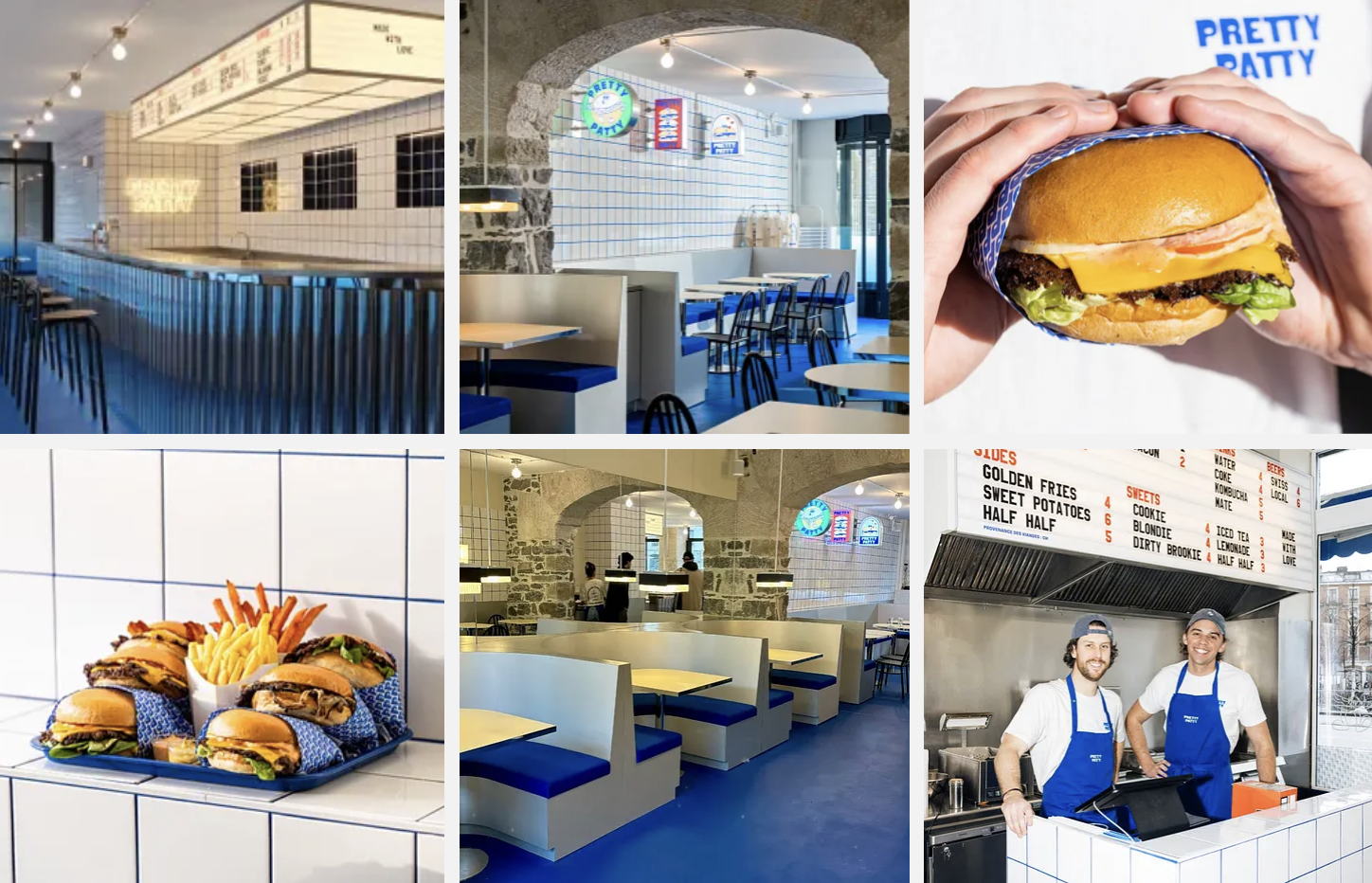
The answer is in the shops. It's flashy, it's blue, it's colourful, there's texture, there are stickers, what Adrian calls "eye candy." A brand built for all the senses, through the eyes of a child.
The Parisian monster
At the beginning, the name had nothing to do with today's, and to create the brand, Adrian and Lucas hire an agency in Paris. It doesn't go well. They don't speak the same language as the designer, the back-and-forth piles up, and the agency puts too much of its own artistic touch into the project. "We felt like we'd created a monster, haha."
The heart of the problem comes down to two visions that never meet. They wanted fun, regressive, accessible, cute, memorable. He wanted the Parisian coffee shop.
You could see it as an anecdote, but it's probably the founding moment of Pretty Patty. Two entrepreneurs who discover they know exactly what their brand should make people feel, and that no art direction from the outside will ever replace that intuition. As Adrian puts it, "the brand has to live."
Copied all the way to California
Pretty Patty makes noise, a lot of noise. So much so that several concepts have drawn inspiration from their brand. When asked whether copycats are a compliment or a warning, Adrian doesn't hesitate: they have a list of ten to fifteen people who have tried to copy them, even plagiarise them. And then there's the extreme case, a Pretty Patty in the United States, copy-pasted, with the same packaging, the same cap, right down to the same custom-made bench. Everything was recreated.
And that's where his answer to another question makes complete sense. If you hide the name, how do you recognise Pretty Patty? Not by the electric blue, not by the tiles, not by the burgers with legs. By an emotion. "The feeling of a little escape, fifteen to thirty minutes out of our very busy, very stressful days." A short getaway where you forget the outside world, with the smile of the staff and a warm place.
You might be able to recreate a custom-made bench, but you can't recreate that.
Listening without losing yourself
Adrian says they listen to their customers a great deal, that they love to innovate, that they want to stay accessible to everyone and not take themselves too seriously. They tested chicken, tested nuggets, added gluten-free buns. There's only one red line, and it's said with a smile: "We will never make a McFish."
"You can quickly lose yourself trying to do everything, but it's important to listen to customers. The brand is built with them."
The nuggets deserve a side note, because it's the only decision he says he isn't proud of while being glad he made it. Chicken at Pretty Patty just didn't fit. Making it in-house was too complicated, and above all the feedback was always the same: it's good, but your burger, that's wow. So they decided to pull the nuggets. Not because they were bad, but because they were only good.
"We only want wow. We don't want good."
A brasserie for one night
Pretty Patty does brand activations, and Adrian admits with honesty that they aren't consistent enough about it. But when they do one, they go far. The operation that worked best was the one where they turned their own restaurant into an old-school brasserie for a single evening.
They also do pop-ups and collaborations, but with a clear eye on what's already worn out. Collabs between burger joints, he says, are almost too seen and done. So they went looking elsewhere, teaming up with Ginger Donuts to dream up a very special burger.
Röstigraben
Zurich is a test that many brands from French-speaking Switzerland don't dare to take. With hindsight, Adrian thinks the brand was strong enough to break through the Röstigraben, but he doesn't downplay anything: "It's two different countries, it's crazy, really. You have to know why you're doing it, and who you're doing it for."
The first difference is choice. In Zurich there are a huge number of competitors and a huge number of very good burgers. People in Geneva have high expectations, but over there it's something else again. So rather than adapting the brand, they pushed the shop. The design went very far, the communication too, with sleepless nights spent thinking and debating so that the place would be unique and leave a mark.
The brand didn't move a millimetre. It's the intensity that changed.
The little sister
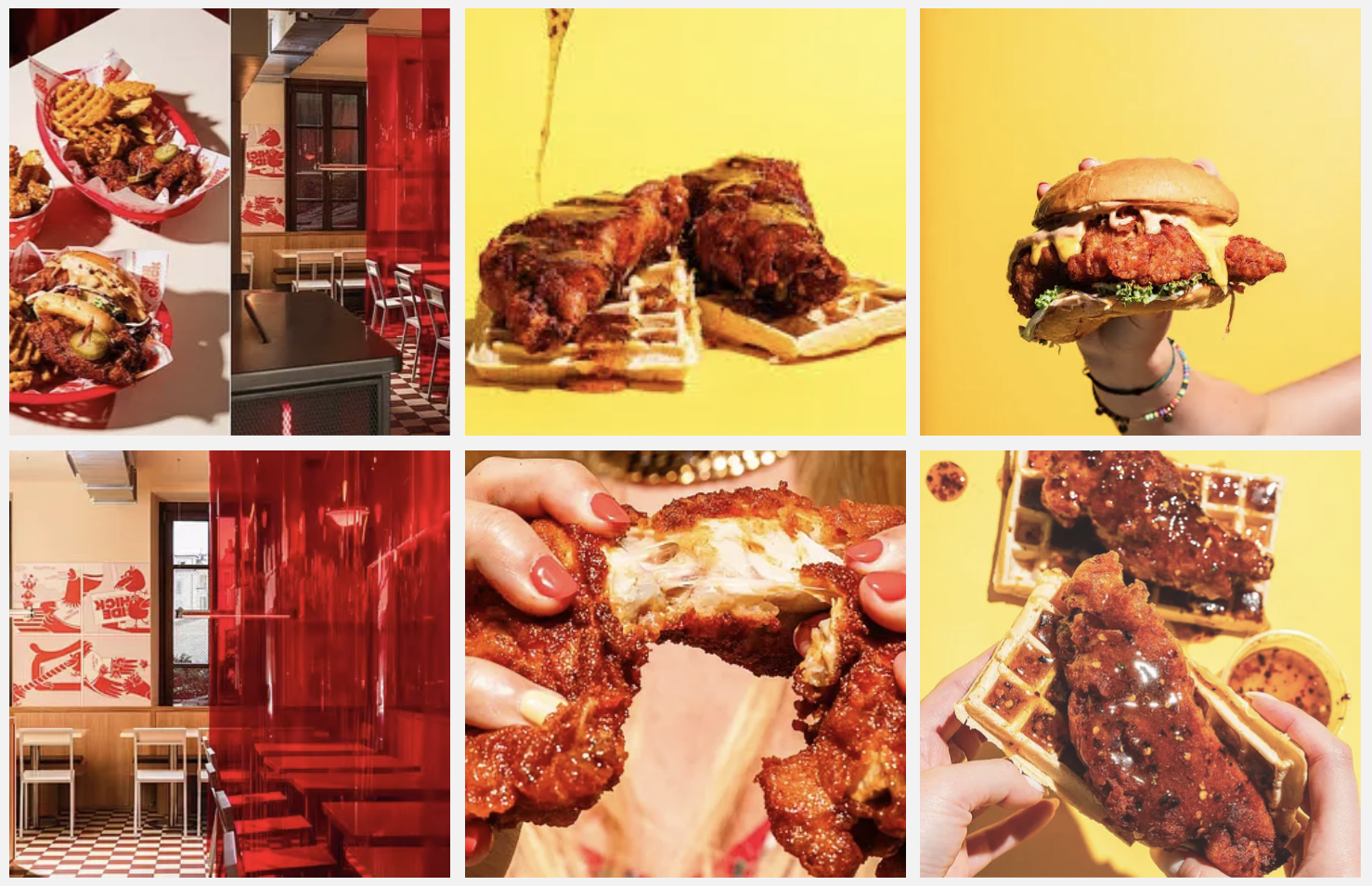
In 2026, the two friends launch Side Chick, a place where chicken is king. The launch comes from a very lucid observation about Switzerland: the market is small, and Adrian has no desire to open a Pretty Patty in every little town in the country.
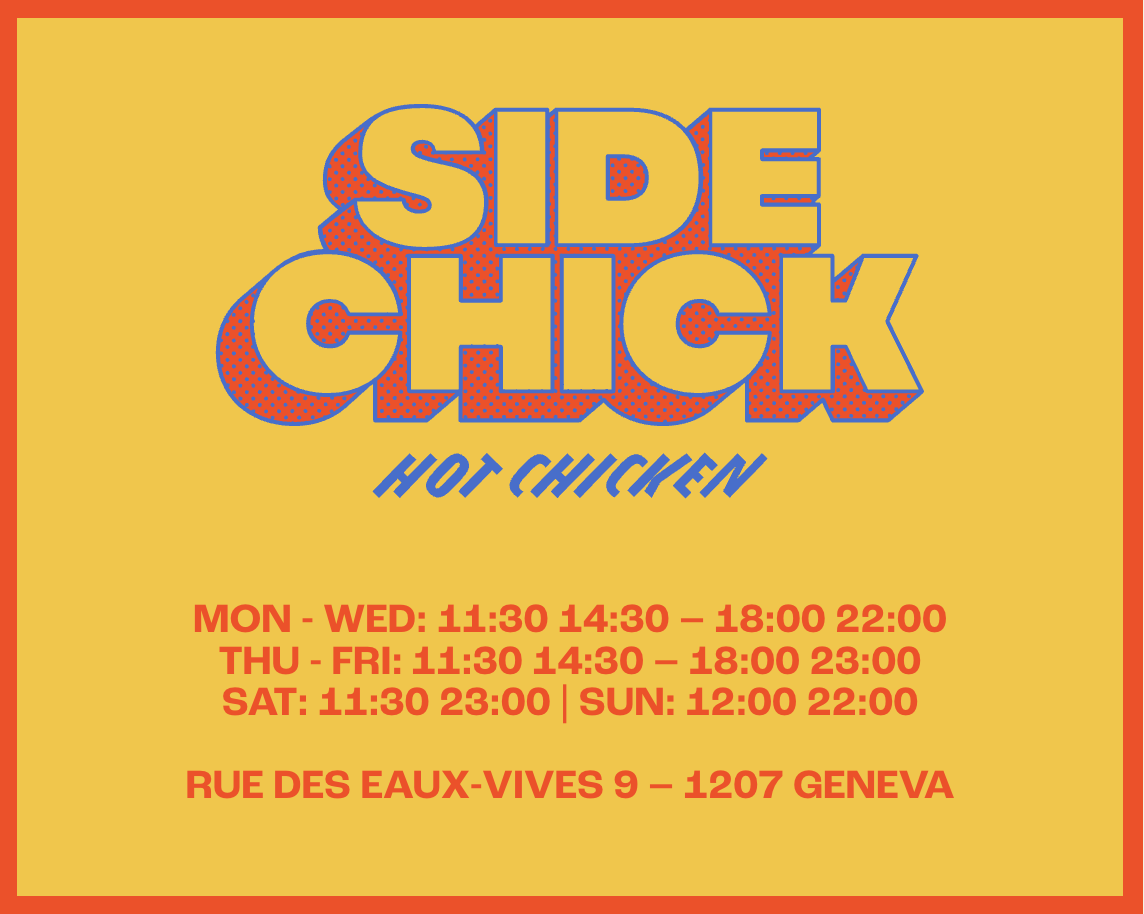
So if you can't multiply the locations, you extend the brand. "We're creative hyperactives, we just want to create loads of stuff." Side Chick is a sister brand, designed by the same designer, with the idea that people walk into the shop and think it reminds them of Pretty Patty, while feeling that it's something else. His way of describing it is perfect: "It's Pretty Patty's Side Chick, the little mistress."
The launch went very well, and it had an unexpected effect. Side Chick prompted some introspection about Pretty Patty. Things they do well in the second brand, they now tell themselves they could do better in the first.
Only wow
Adrian and Lucas built Pretty Patty starting from a childhood memory and a question few entrepreneurs dare to ask themselves seriously. They fired an agency because it didn't understand what the brand was supposed to make people feel. They pulled a product that was working because it was only good. And they watched someone copy their restaurant down to the bench without ever managing to copy what matters.
It all comes down to the sentence Adrian repeated twice during our conversation, at the beginning and at the end, as if it summed up everything in between:
"We only want wow."
This portrait is part of the series "10 entrepreneurs from French-speaking Switzerland who turned their brand into a weapon," produced by DARE, a branding and consulting agency based in French-speaking Switzerland.